An all-in-one space with transparent rewards, roles, and discussion for any community.
I joined Common as their first designer early on to help them redesign their entire product and brand.
The platform
Common is essentially a hybrid on-chain and off-chain community governance platform typically for web3 protocols, NFT projects, and DAOs.
This included an off-chain community forum where community members could write and submit proposals. It also allowed for other community members to write other types of posts that we non-proposal related. Members could comment and react to posts.
The other part of the web app was the on-chain governance platform which facilitated proposal voting and other critical governance processes. All of these activities were stored on the blockchain.
The aim of Common was to make an all-in-one platform that would allow crypto communities to facilitate governance and communication rather than being spread across various apps like Telegram, Discord, Snapshot, etc.
My responsibilities
I was faced with a set of problems to tackle. First off, an entirely new facelift of the entire web app was needed. This meant all new UI elements, new user flows, and making it work across all devices. On top of this, I was also actively involved in product meetings where new features and functionality were being brainstormed and discussed. Additionally, I had to learn all about web 3 and crypto very fast.
While I would have liked to put more time into really fleshing out the designs I had produced, there was a lot of pressure to keep producing work. Because of this, I was never able to fully flesh out a design system and write proper developer notes. I understand the need to move fast in a startup but after this experience, I realise that if the design process isn't handled properly from the beginning, a lot of design debt will build up overtime and cause many problems down the line.
I now realise that I should have pushed back more to ensure a much smoother process and will never let this same problem happen again with any future project I work on.
Designs
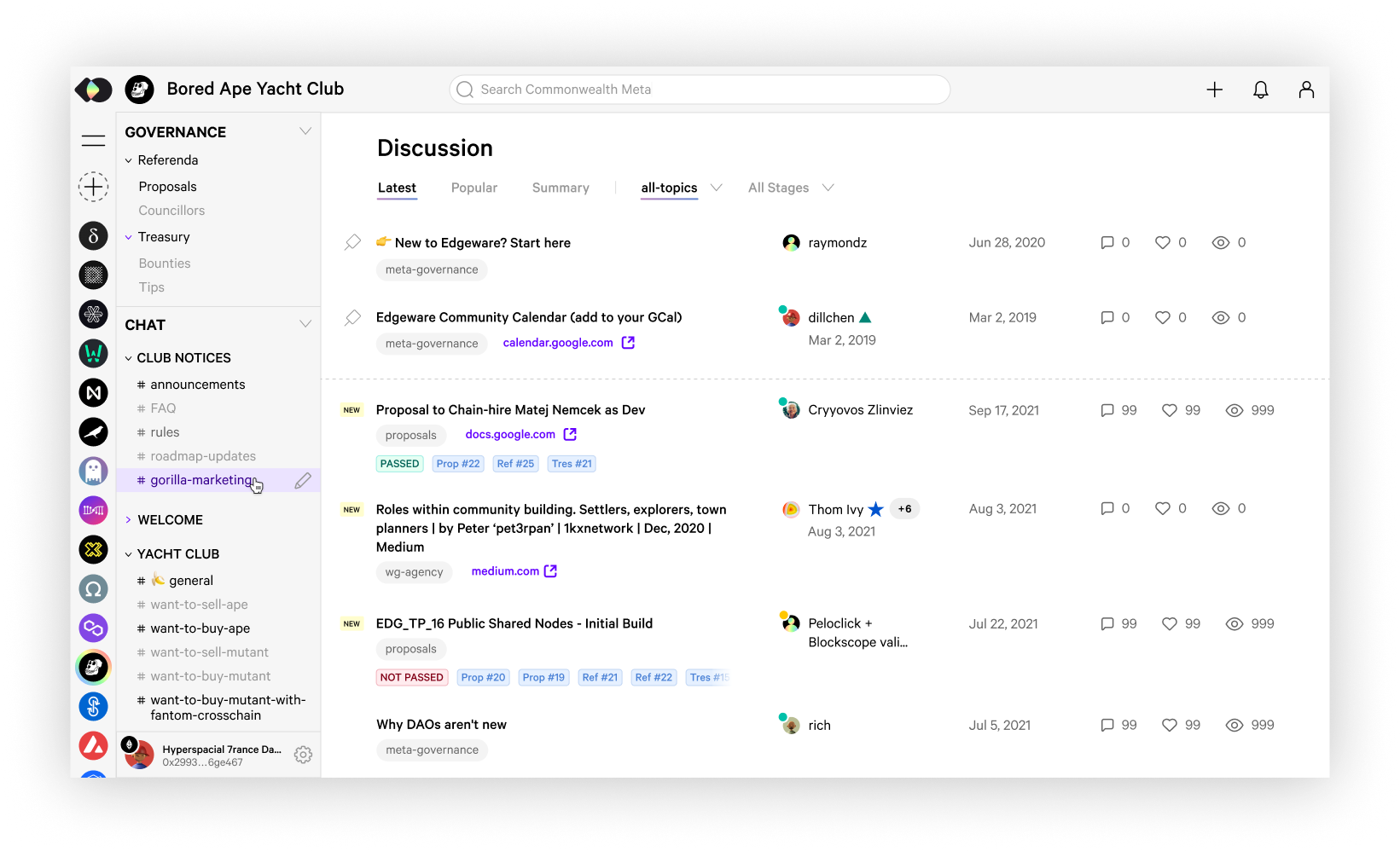
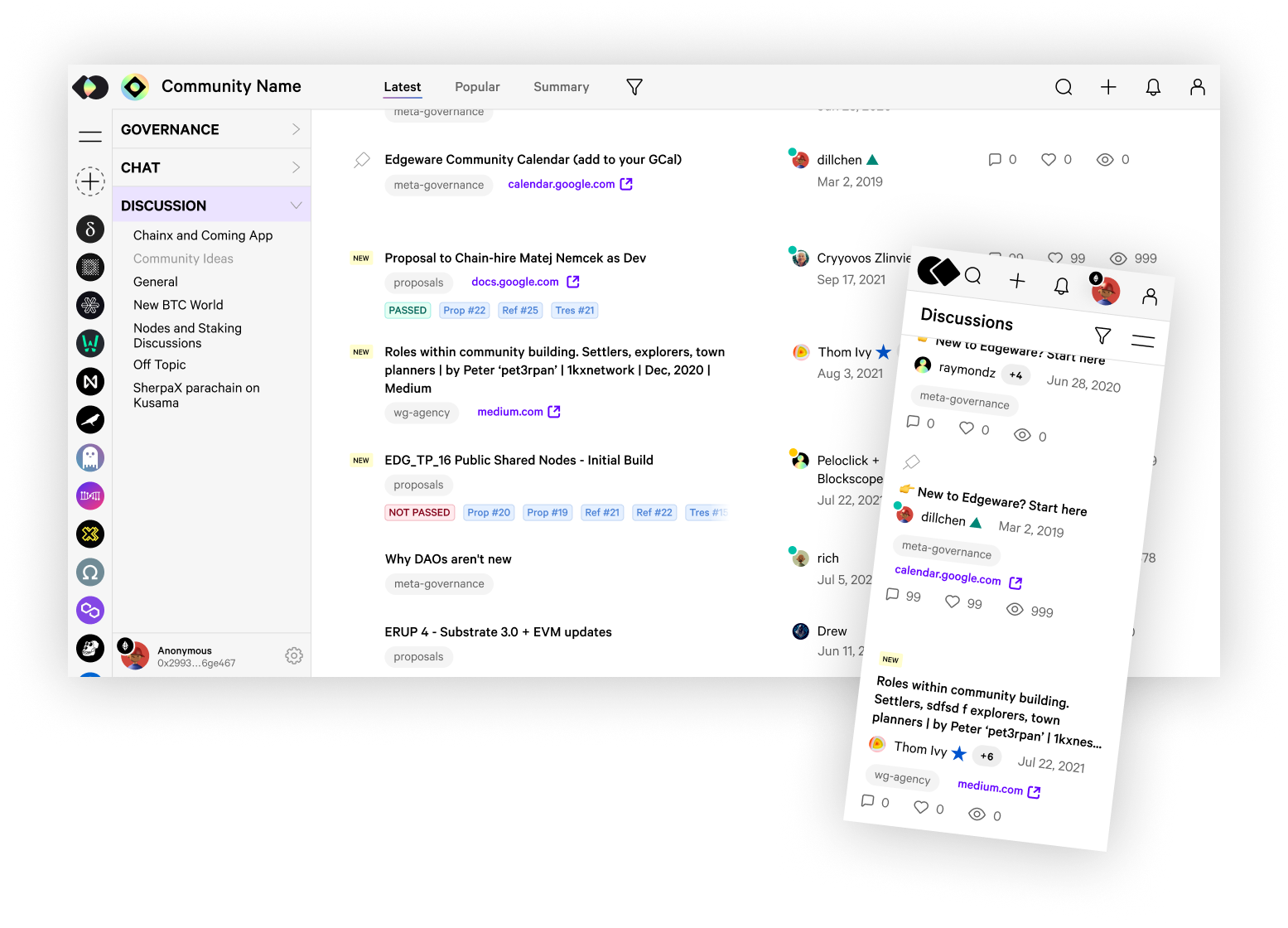
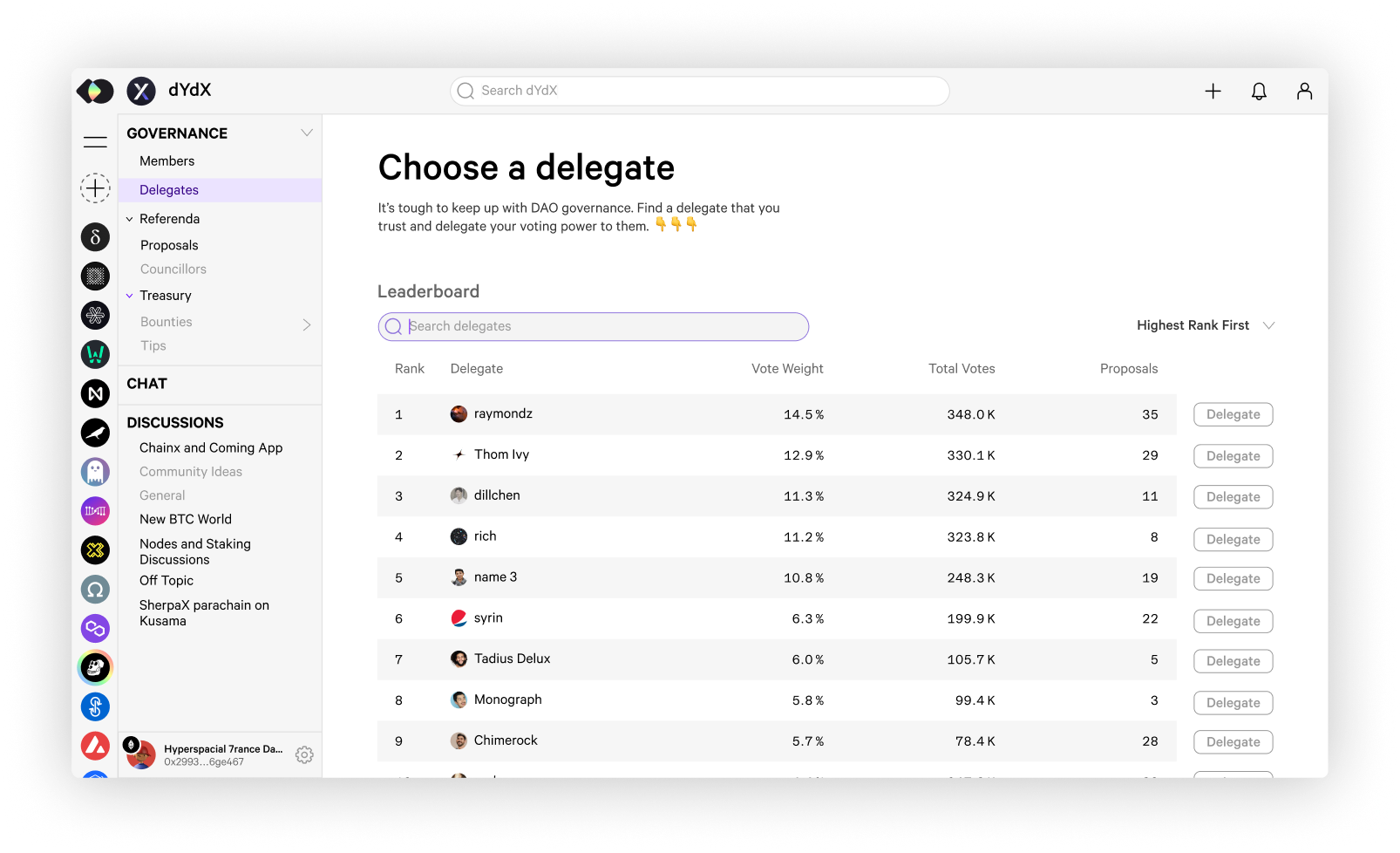
Below you can view some of the design work I did for Common which includes 3 pages. Please keep in mind this is only a fraction of the work I did and when I originally created them, they were in their own individual files. I packaged them up specifically for this presentation.
- Page 1: Discussion List & Local Nav
- Page 2: Profile Mgmt, Delegates, and Branding
- Page 3: Search, Admin, & Onboarding
Page 1: Discussion List & Local Nav
Page 2: Profile Mgmt, Delegates, and Branding
Page 3: Search, Admin, & Onboarding
One of the problems was figuring out how to properly onboard new users. There was a lot of friction early on and there were various ways to do it: email only, email and Magic, or connect wallet. I had to map out every flow and document where it was failing. That was pure hell but it was necessary.
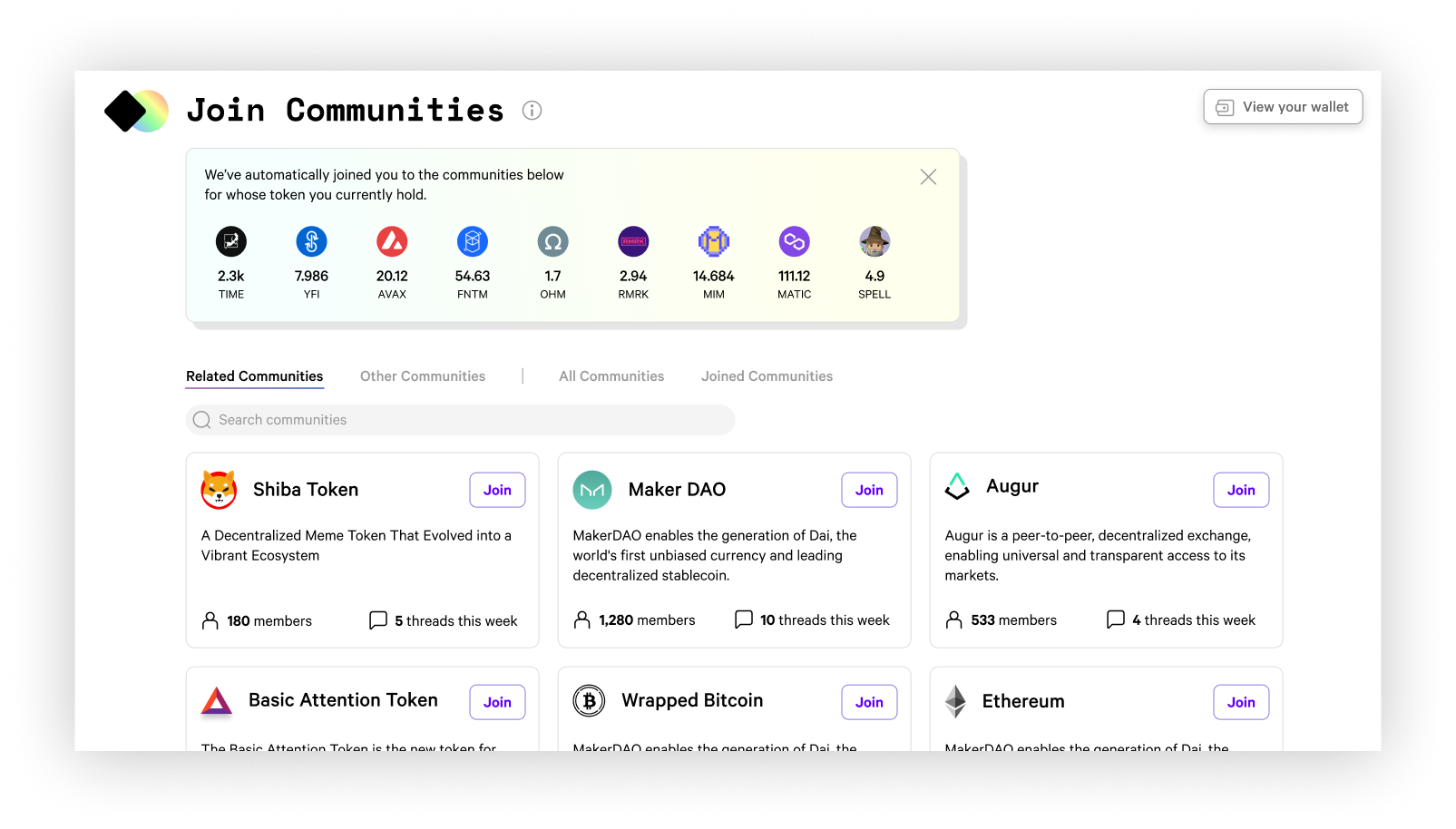
There was also a great opportunity to auto-join a new user to communities if the platform detected they were holding certain assets in their wallet and if those assets were connected to any existing communities on the platform.
The onboarding flow can be seen in the Figma design file below along side the community admin and search user flow designs.
Branding
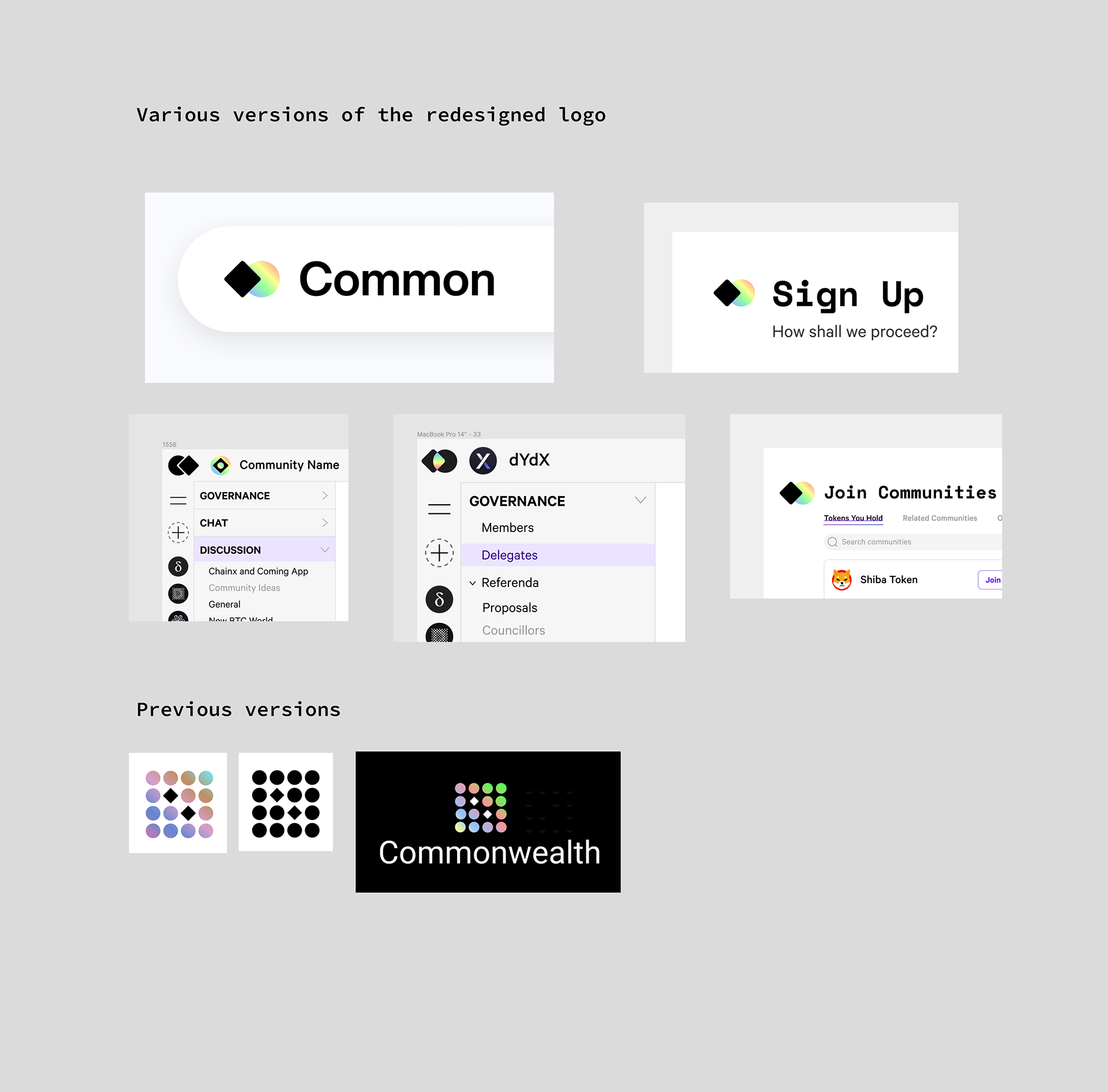
Regarding the brand design work, you can see some of it in the email redesigns on Page 2: Profile Mgmt, Delegates, and Branding design found above. Also I had redesigned their logo and three different versions of it can be seen below.
Unfortunately I lost access to the entire logo design exploration Figma file which outlined the whole process.
Insights
Web 3 Education
When I first joined Common, I had no previous knowledge of Web 3 and Crypto really and just had to start drinking from the firehose. It was a lot to take in but over time I got the hang of it. I realised that all web 3 products were facing massive issues on the UX front keeping it from gaining mass adoption. Issues around education and logging in by connecting a wallet caused a lot of friction. And
My Idea to Use AI to Improve UX
When it came to community and DAO governance, the UX was very unfriendly. There was a massive problem for normies (non-technical users) to understand what was going on with community proposals and voting. A lot of jargon was being used in each proposal and it led to the team moving toward building a delegation framework which allowed the so-called normies to delegate their voting power to the more informed members of the community. This was an obvious path to take because it's how our democratic governance system works in the West, but I felt there could be a way to leverage AI to help out in a more efficient way.
I proposed that we use OpenAI's GPT-3 to summarize and translate proposals into a form that regular everyday people would understand. So it would be a small chunk of text to read that would be understandable and not take a long time. There would be some voting UI to finish it off.
I also suggested that we utilize sentiment analysis on community forum messages to detect trolls and toxic members as an early form of automated moderation. Sentiment analysis could also be used to determine the overall vibe of a community or a particular forum thread. It seemed so obvious to me.
Ultimately my ideas were rejected because it would require that they hire an AI engineer to build out this functionality.
Conclusion
My time at Common made me realize how exciting it was to wear multiple hats and really get my hands dirty with an early-stage startup. Ultimately, I had a similar experience to Invisible, where upper management didn't really want to spend the extra time on building out the design system. I had brought it up a few times, as I did at Invisible, but was met with the same resistance and desire for speed.
Once again, I refuse to repeat the same mistakes at both Common and Invisible by starting the design process off on the wrong foot without having built out a solid and secure foundation to avoid negative downstream effects on product and organization.
So if any company is not in line with my design values, I simply will not work with them. It's that simple. I have my share of war stories. I know the pitfalls and have become much wiser from them. I know what a healthy design strategy looks like and intend to follow it and only it.